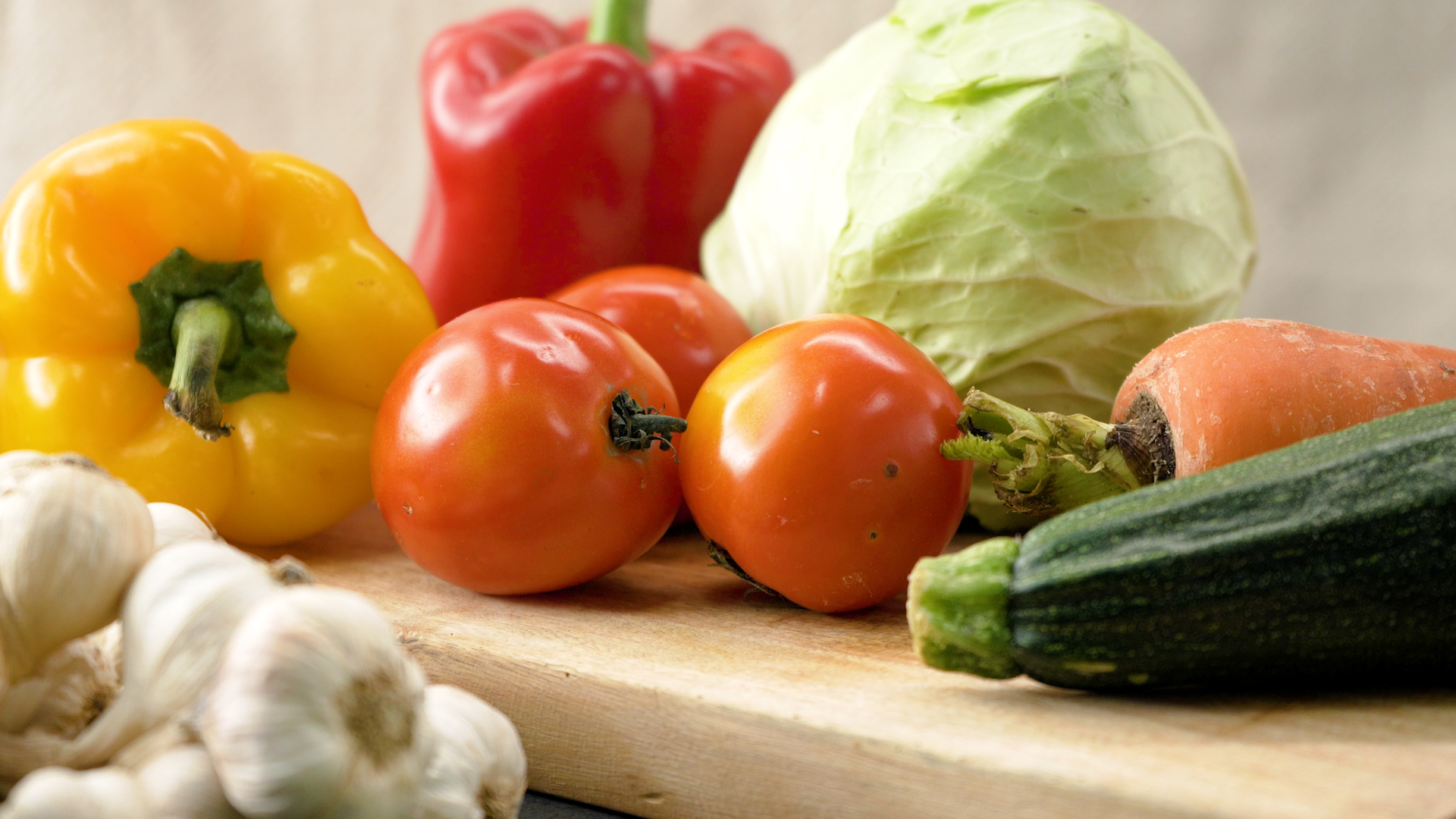
The Crisper Drawer Dilemma: Banish Forgotten Veggies and Food Waste
Do you ever find yourself staring into the depths of your refrigerator, only to discover a tragic, wilted pile of what used to be vibrant, fresh vegetables? That beautiful bunch of kale, the crisp broccoli head, or those sweet bell peppers – all victims of the dreaded "crisper drawer abyss." It’s a common household saga, one that leads to frustrating food waste, wasted money, and a pang of guilt, especially if you’ve lovingly grown those veggies yourself.
The truth is, forgetting what produce you have on hand is incredibly easy in our busy lives. We buy with the best intentions, but once tucked away, out of sight often means out of mind. But what if there was a genius way to tackle this pervasive problem and finally master how to remember to eat your vegetables in the fridge?
This comprehensive guide will equip you with practical, innovative strategies to keep your fridge's contents top-of-mind, ensuring your delicious, nutritious vegetables make it from the crisper to your plate, every time. Say goodbye to food waste and hello to smarter meal planning!
Genius Strategies to Remember Your Fridge Vegetables
The core challenge is visibility and accountability. If you don't see it, you won't use it. Here are some brilliant methods to transform your fridge from a produce graveyard into a vibrant inventory of meal possibilities.
The Visual Inventory: The Easy Photo Project Method
Imagine a glance at your fridge door instantly revealing every vegetable you have available. That's the power of the photo project method, an incredibly simple yet effective technique. Here's how it works:
- Photograph Your Produce: Whenever you bring home fresh vegetables or harvest them from your garden, take a quick picture of each individual item. Think of it as a "produce portrait."
- Display on the Fridge: Print these pictures (or even use a mini-polaroid printer for instant gratification!) and attach them to your refrigerator door with magnets.
- The Visual Reminder: Now, every time you open the fridge or walk past it, you have a clear, engaging visual inventory of your available ingredients. This simple act dramatically increases the chances you'll remember to eat your vegetables in the fridge.
- Update as You Go: Once a vegetable is used up, simply remove its corresponding photo. Keep a small basket or envelope nearby for used photos, as you'll likely reuse them when you repurchase that item.
This method isn't just practical; it can be fun! Get creative with your photos – maybe capture your tomatoes still on the vine or your broccoli plant in its prime. It transforms a mundane task into a delightful reminder, sparking recipe ideas and making meal planning a breeze. For a deeper dive into this creative solution, check out Remember Fridge Veggies: The Easy Photo Project Method.
The Simple List: Pen and Paper Power
If the photo project feels like too much, sometimes the simplest solution is the best. A humble piece of paper and a pen can be incredibly effective:
- The Fridge Whiteboard/Notepad: Dedicate a magnetic whiteboard or a notepad to your fridge.
- List & Cross Off: Every time you put new vegetables away, write them down. As you use them in your meals, simply cross them off the list.
- Prioritize: You can even add a small note next to items, like "eat first" or "use by [date]," to help prioritize produce nearing its end.
This low-tech approach provides a clear, actionable inventory that ensures you're always aware of what's available and helps you to remember to eat your vegetables in the fridge before they spoil.
Digital Dashboards & Smart Kitchen Apps
For the tech-savvy, a range of digital tools can help you manage your fridge inventory:
- Inventory Apps: Many apps allow you to input your groceries, track expiry dates, and even suggest recipes based on what you have.
- Digital Whiteboards: Shared digital lists (like Trello, Google Keep, or smart fridge displays) can keep everyone in the household updated on available produce.
- Smart Home Integration: Some advanced refrigerators even offer internal cameras or inventory management features, allowing you to check your fridge contents from your phone while at the grocery store.
Strategic Fridge Organization
Sometimes, the problem isn't just forgetting what you have, but where it's hidden. Optimize your fridge layout for maximum visibility:
- Out of the Crisper, Into Sight: While crisper drawers are great for regulating humidity, items can easily get buried. Consider keeping items you need to use quickly in more visible spots, like on a top shelf in a clear container.
- The "Eat Me First" Bin: Designate a special bin or section in your fridge specifically for produce that needs to be consumed soonest. This creates a clear priority zone.
- Clear Containers: Ditch opaque bags and opt for clear, airtight containers. Being able to see your food makes you more likely to grab it.
Beyond Remembering: Smart Storage for Longevity
Remembering to eat your vegetables in the fridge is only half the battle. Once remembered, they need to be fresh enough to enjoy. Proper storage is key to extending the life of your produce and truly minimizing waste.
Pre-Storage Prep: Wash & Dry Wisdom
One of the most crucial steps to making your vegetables last longer happens before they even enter the fridge:
- Wash Thoroughly: Washing removes dirt, bacteria, and contaminants from the surface of your veggies.
- Dry Completely: This is paramount! Excess moisture is the enemy of fresh produce, creating an ideal environment for spoilage. Lay vegetables out on clean paper towels or a kitchen towel, use a salad spinner for greens, or simply air dry on a rack until absolutely no moisture remains before storage. Storing damp vegetables is a fast track to mold and rot.
Segregation Station: Grouping Similar Veggies
Not all vegetables play nicely together. Some produce emits ethylene gas, a natural ripening agent, which can prematurely spoil sensitive neighbors. Proper grouping is vital:
- Keep Ethylene Producers Separate: Apples, avocados, bananas, peaches, and tomatoes are high ethylene producers. Keep them away from ethylene-sensitive items like leafy greens, broccoli, carrots, and cucumbers.
- Group by Type: Generally, store similar types of vegetables together.
- Leafy Greens: Wash, dry thoroughly, and store in an airtight container lined with a paper towel.
- Root Vegetables: Store in a cool, dark place (like a pantry) or in the crisper drawer, unwashed, in a perforated bag.
- Cruciferous Veggies (Broccoli, Cauliflower): Store unwashed in an open plastic bag in the crisper.
- Marrow Vegetables (Zucchini, Cucumber): Store unwashed in the crisper drawer.
- Legumes (Green Beans, Fresh Peas): Store in a breathable bag or container in the crisper.
Understanding Storage Times
Familiarizing yourself with the typical shelf life of different vegetables can help you prioritize consumption. Leafy greens often have a shorter lifespan than heartier root vegetables. A quick online search for "vegetable storage chart" can provide valuable insights, helping you to plan meals strategically and ensuring you always remember to eat your vegetables in the fridge within their prime.
Making Meal Planning and Produce Management a Habit
Implementing these strategies effectively means integrating them into your routine. Here’s how to make produce management a seamless part of your life:
- Weekly Fridge Check-in: Dedicate 10-15 minutes once a week (e.g., before grocery shopping) to assess your fridge. This is when you update your photo inventory or list, consolidate items, and identify what needs to be used immediately.
- Plan Around Your Produce: Instead of deciding on a meal and then seeing if you have the ingredients, try to plan your meals based on what you *already have* in your fridge. Your visual inventory or list will be your guiding star!
- Creative Cooking: Embrace flexibility! If you have a lone bell pepper and some wilting spinach, think stir-fry, omelette, or a quick soup. These "use-it-up" meals are great for reducing waste. For more inspiration, explore resources like Never Waste Produce: Simple Tips to Remember Your Veggies.
- Shop with a List (and a Plan!): Minimize impulse buys and prevent overcrowding your fridge by only purchasing what you truly need and have a plan for.
- Involve the Family: Make it a collective effort. Kids can help take photos, update the list, or even suggest recipes for the available produce.
Conclusion
The days of discovering forgotten, funky vegetables in the back of your fridge can be a thing of the past. By implementing smart strategies like the visual photo project, simple lists, strategic organization, and proper storage techniques, you can master how to remember to eat your vegetables in the fridge. Not only will you save money and reduce food waste, but you'll also enjoy fresher, healthier meals with less stress. Embrace these genius tips, transform your meal planning, and savor every delicious bite of your vibrant produce!
