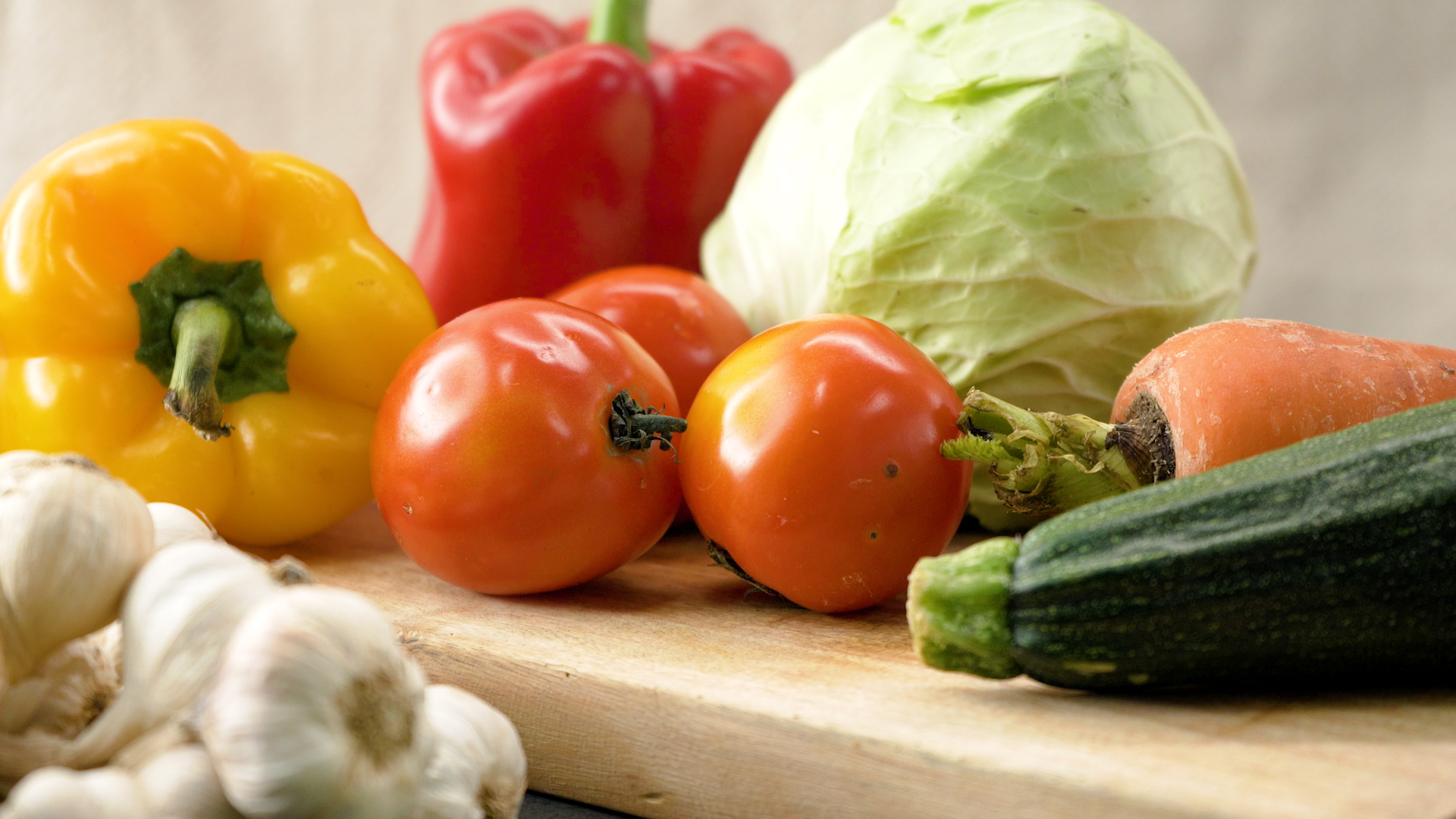
Remember Fridge Veggies: The Easy Photo Project Method to End Food Waste
We’ve all been there. You open your refrigerator, a vague sense of dread washing over you as you glimpse the crisper drawer. A mysterious, slightly funky aroma wafts out, and with a sigh, you discover it: those once vibrant greens, that firm head of broccoli, or those beautiful peppers you bought with such good intentions are now limp, discolored, and destined for the bin. It’s a common, frustrating cycle that not only wastes money but also takes a toll on our conscience. But what if there was a simple, visual, and even fun way to ensure you always remember to eat your vegetables in the fridge?
Forget complicated apps or detailed spreadsheets. We're talking about a brilliantly straightforward approach: the "Easy Photo Project" method. This innovative technique turns your fridge into a dynamic, visual inventory, making it impossible to forget the healthy produce waiting to be enjoyed.
The Hidden Cost of Forgotten Veggies: More Than Just Money
The financial sting of tossing spoiled food is undeniable. Every rotten bell pepper, every wilted bunch of spinach, represents hard-earned money gone to waste. But the costs extend far beyond your wallet. Consider the environmental impact: producing food consumes water, energy, and land, and when it goes uneaten, all those resources are squandered. Food waste also contributes significantly to landfill emissions, producing methane, a potent greenhouse gas.
For those who nurture their own gardens, the emotional toll can be even heavier. Imagine the dedication: planting seeds, tending sprouts, watering diligently, battling pests, all to harvest a bountiful crop. Then, because you simply forgot it existed, that homegrown goodness spoils. This "garden guilt" is a powerful, disheartening feeling, a stark reminder of effort lost. The emotional weight of food waste, whether from store-bought or home-grown produce, can be genuinely upsetting, making the quest for effective solutions all the more crucial.
Introducing the "Easy Photo Project" Method: Your Visual Fridge Inventory
So, how do you finally break free from the cycle of forgotten produce? The answer is elegantly simple and surprisingly effective: turn your phone into your personal fridge archivist. The Easy Photo Project method involves creating a visual inventory of your refrigerator's contents, specifically focusing on your fresh vegetables.
Here's how this ingenious method works:
1.
Snap a Pic: As soon as you bring home new vegetables, or after you've portioned them for storage, take a clear photo of each individual vegetable or type of vegetable. Got a bunch of carrots? One photo. A head of cauliflower? Another photo. If you're passionate about gardening, you can even snap pictures of your produce while it's still growing on the plant – a vibrant tomato on the vine, a sturdy broccoli head in the garden – to inspire a deeper connection to your food.
2.
Print and Display: Print these photos. They don't need to be professional quality; a simple home printer will do. Aim for a size that's easy to see but doesn't take up too much space, perhaps 3x5 or 4x6 inches. Then, using small magnets, stick these printed photos directly onto your refrigerator door. Voila! Your fridge is now adorned with a living, breathing menu of its contents.
3.
The Daily Glance: This is where the magic happens. Every time you open the fridge, or even just walk by, these vibrant images serve as an immediate, undeniable reminder of what's available. No more rummaging through drawers or forgetting what's lurking in the back. A quick glance informs your meal choices, inspiring creativity and urgency to use what you have.
4.
Remove and Reuse: Once you've cooked with and consumed a particular vegetable, simply remove its photo from the fridge. Don't discard it, though! Keep a small box or envelope nearby to store these "used" photos. The next time you buy that same vegetable, you can simply retrieve its picture and put it back on the fridge, saving you the hassle of reprinting. This makes the system sustainable and incredibly easy to maintain.
This visual inventory eliminates guesswork and decision fatigue. When it's dinner time and you’re pondering what to make, your fridge door literally lays out your options. It's an empowering tool that helps you integrate your fresh produce into your meals seamlessly, making it far easier to remember to eat your vegetables in the fridge.
Maximizing Your Veggie Longevity: Smart Storage Beyond Remembering
Remembering to eat your vegetables is half the battle; ensuring they stay fresh long enough to be eaten is the other crucial part. The photo project helps you keep tabs on what you have, but proper storage techniques ensure those veggies remain vibrant and delicious until you're ready to use them. Combining smart storage with your visual inventory creates an unbeatable system for reducing waste and boosting your healthy eating habits.
Here are essential tips for extending the life of your produce:
*
Wash and Dry Thoroughly: Before storing most vegetables, it's a good practice to wash away dirt and bacteria. However, *complete drying* is paramount. Excess moisture is the enemy of freshness, encouraging spoilage. Lay washed greens or other vegetables on paper towels or a clean cloth to air dry completely before transferring them to storage. Root vegetables, like carrots and beets, can often be stored unwashed until ready to use, as washing can introduce moisture that accelerates decay.
*
Segregate Your Greens: Not all vegetables are created equal, and some don't play well together. Certain fruits and vegetables, known as high-ethylene producers (like apples, bananas, and tomatoes), emit a gas that can accelerate the ripening and spoilage of sensitive produce. Keep these separate from ethylene-sensitive vegetables like leafy greens, broccoli, and cucumbers.
*
Group Similar Veggies: When storing, whether in bags or crisper drawers, try to keep similar types of vegetables together.
*
Leafy Greens (spinach, lettuce, kale): Store in an airtight container or a bag lined with a paper towel to absorb excess moisture.
*
Root Vegetables (carrots, radishes, beets): Trim greens (which draw moisture from the roots), then store in a plastic bag or container in the crisper.
*
Cruciferous Veggies (broccoli, cauliflower): Store in an open or loosely sealed bag in the crisper drawer.
*
Marrow Vegetables (zucchini, cucumber): Keep dry and store in the crisper drawer, ideally away from ethylene producers.
*
Understand Crisper Drawer Settings: Many refrigerators have crisper drawers with adjustable humidity settings. The "high humidity" setting (often with a closed vent) is ideal for leafy greens and other thin-skinned vegetables that easily lose moisture. The "low humidity" setting (with an open vent) is better for fruits and vegetables that emit ethylene gas, allowing the gas to escape and preventing premature ripening of other produce.
By implementing these storage techniques alongside your Photo Project, you'll not only remember what you have, but you'll also ensure it stays in peak condition, ready to transform into delicious, nutritious meals.
Beyond the Photos: Integrating Your Veggie Inventory into Your Routine
The Easy Photo Project is more than just a novelty; it's a practical tool that can revolutionize your kitchen habits. Once you've mastered the visual inventory, integrate it further into your weekly routine to amplify its benefits:
*
Streamline Meal Planning: The most significant benefit of seeing your veggie inventory at a glance is how it simplifies meal planning. Instead of brainstorming from scratch, your fridge door provides immediate inspiration. "Oh, I have broccoli and bell peppers! I can make a stir-fry." This visual prompt guides your choices, ensuring that perishable items are prioritized and utilized before they spoil. For more advanced strategies, explore how this method can be integrated into broader
Meal Planning Genius: Keep Track of Fridge Vegetables.
*
Inspire Culinary Creativity: Sometimes, having your ingredients staring back at you sparks unexpected recipe ideas. That forgotten zucchini might just become a delightful pasta dish or a healthy side. Challenge yourself to create meals around the vegetables you see, fostering a more intuitive and less wasteful approach to cooking.
*
Optimize Your Grocery List: Before heading to the grocery store, a quick check of your fridge photos will instantly show you what you already have. This prevents duplicate purchases, saving you money and reducing the chances of items getting lost or going bad because you simply had too much. For additional strategies on preventing food waste, don't miss these
Never Waste Produce: Simple Tips to Remember Your Veggies.
*
Involve the Family: The visual nature of the photo project makes it easy for everyone in the household to see what's available. Kids can help pick out veggies for dinner, fostering a sense of ownership and making healthy eating a fun, collaborative effort.
Embracing this simple system transforms your fridge from a dark abyss of forgotten produce into an organized, inspiring hub of healthy eating. It's a proactive step towards a more sustainable kitchen and a healthier lifestyle.
Conclusion
Forgetting about fresh produce in the fridge is a universal frustration, leading to wasted food, money, and even a touch of "garden guilt." The Easy Photo Project method offers a refreshingly simple, engaging, and highly effective solution to this common problem. By creating a dynamic, visual inventory on your refrigerator door, you'll always know exactly what vegetables you have, encouraging you to prioritize their use and minimize waste.
Combine this ingenious remembering technique with smart storage practices, and you'll create a powerful system that keeps your veggies fresh and ensures they make it to your plate instead of the trash bin. Embrace the visual power of the photo project, transform your kitchen habits, and enjoy the satisfaction of a well-utilized, waste-free fridge filled with delicious, nutritious produce. It's time to say goodbye to forgotten veggies and hello to a smarter, more sustainable way to eat your greens.